Scorecard
AI insight
Athens scores strongly for remote workers who want capital-city energy, Mediterranean seasons and a broad neighborhood mix. Best months: April–June and September–November.
The city
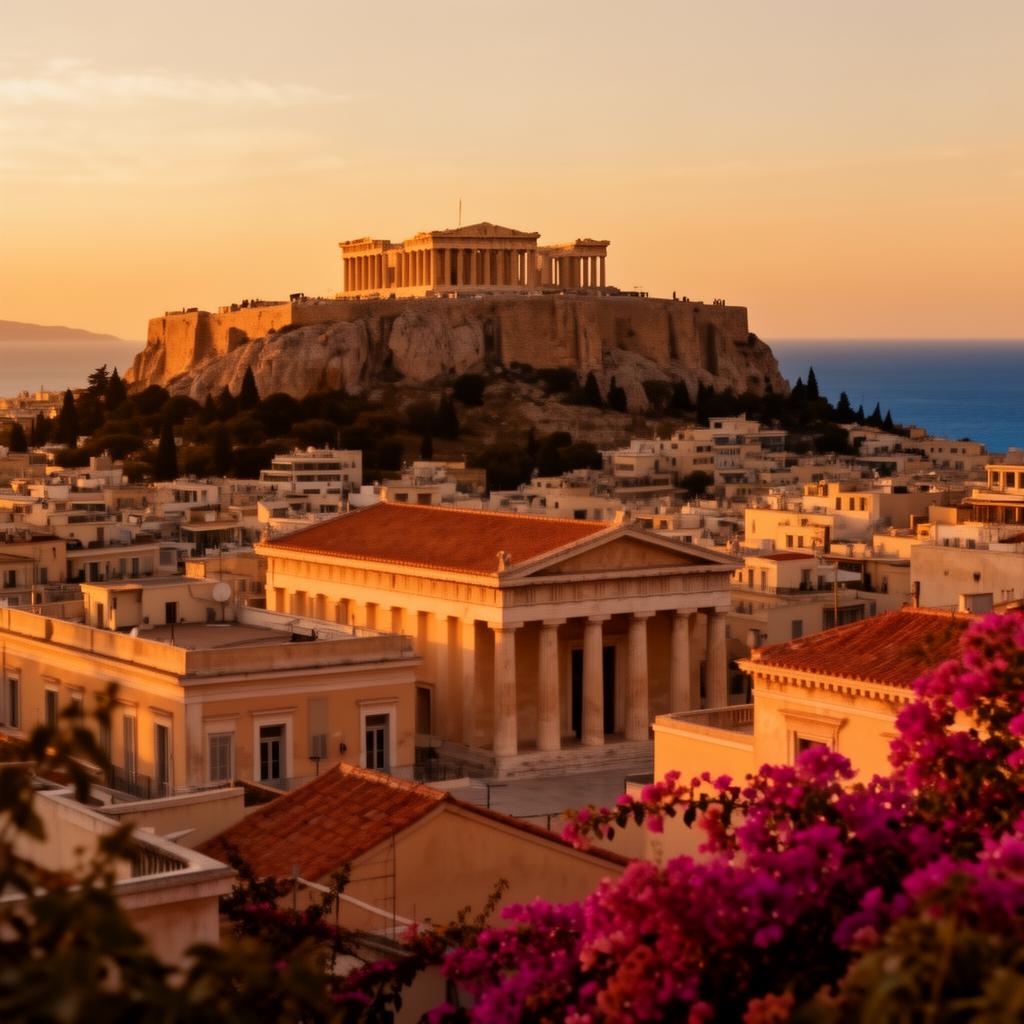
Athens is the most underrated capital in Europe for remote workers. The city has reorganized itself around a generation of locals and newcomers who treat the café as a workspace, the neighborhood as a community, and the Acropolis as a backdrop you eventually stop photographing. After three years of writers, designers, founders, and freelancers quietly relocating here, Athens in 2026 is no longer a secret — it is simply still good value.
Why it works for nomads
Athens combines capital-city infrastructure, broad flight connectivity and a dense café-and-neighborhood culture with Greece's official Digital Nomad Visa route for eligible non-EU remote workers. Visa duration, residence-permit steps and tax consequences are separate decision points, so long-stay planning should follow current Ministry of Foreign Affairs and competent-authority guidance.
A comfortable, central one-bedroom in Koukaki or Pangrati runs €900–1,200 per month on a yearly contract. Add €120–200 for utilities and fast fiber, €150–200 for coworking if you want one, and roughly €600–800 for food, transport, gym, and a normal social life. Total realistic budget for a solo nomad living well: €1,600–€1,800 per month. Couples save roughly 25%. Eating out is the great cost equalizer — a full sit-down dinner with wine is €18–25 in any non-touristy neighborhood.
Fiber is excellent and standard across central Athens. Expect 200–500 Mbps in any modern building, with 1 Gbps available in newer apartments. Mobile data is fast and cheap (€15/month for 100GB+ on Cosmote or Vodafone). 5G covers the entire city core. Power outages are rare; backup hotspot is unnecessary except for the most critical calls.
Neighborhoods, in plain English
Koukaki — quiet, walkable, view of the Acropolis, the easiest first-month neighborhood. Pangrati — leafy, café-dense, the local favorite, less touristy. Exarchia — radical, alive, full of bookshops and street art, not for everyone. Kolonaki — upmarket, polished, the most expensive. For a first stay, Koukaki and Pangrati offer the best balance of livability and atmosphere.
The lifestyle
The rhythm is Mediterranean but with city texture. Mornings are slow, work happens between 10am and 5pm in cafés or at home, and the evening starts at 8pm with a walk, a drink, and a long dinner. The food scene is genuinely world-class — tavernas, modern Greek bistros, natural wine bars, third-wave coffee — at prices that feel like a structural error. Summers (July–August) are hot and best escaped to an island; April–June and September–November are the city's golden windows.
Pros
- +Excellent fiber internet
- +World-class food scene
- +300+ sunny days
- +Direct flights to all of Europe
Cons
- −Summer heat can be intense
- −Bureaucracy for long stays
- −Air quality dips in winter
Best neighborhoods
- Koukaki
- Pangrati
- Exarchia
- Kolonaki
Neighborhood-level guides are written into the editorial sections above — these are the areas most remote workers settle in around Athens.
Fiber is excellent and standard across central Athens. Expect 200–500 Mbps in any modern building, with 1 Gbps available in newer apartments. Mobile data is fast and cheap (€15/month for 100GB+ on Cosmote or Vodafone). 5G covers the entire city core. Power outages are rare; backup hotspot is unnecessary except for the most critical calls.
- ·Stone Soup
- ·Impact Hub Athens
- ·Selina Theatrou
Practical tips
- 01Sign a yearly lease in person — long-term rates are 30–40% below short-term portals.
- 02Use a euro account for transfers and confirm local-account eligibility directly with the bank if you need Greek banking.
- 03Get a Greek mobile SIM (Cosmote prepaid) on arrival — it unlocks delivery apps and ride-hailing.
- 04Avoid August in the city — fly to a Greek island or join the local exodus.
- 05Use the metro and walk; central Athens is denser than it looks on a map.
Where in the world
Ten quiet questions on your work, budget, and lifestyle — get a compatibility score, budget fit, and a clear next step.
Frequently asked questions
Is Athens a good base for digital nomads?+
Yes — one of the most undervalued European capitals for remote work. Excellent fiber, deep café culture, 300+ sunny days, and a Digital Nomad Visa framework.
What's the cost of living in Athens for a remote worker?+
A comfortable solo monthly budget is €1,650–€1,800. Central one-bedroom: €900–€1,200 on a yearly lease.
Best Athens neighborhoods for nomads?+
Koukaki for the easiest first stay, Pangrati for the local favourite, Exarchia for cultural depth, Kolonaki for upmarket polish.
Is Athens safe?+
Yes — standard urban awareness applies. The city is genuinely safer than most major European capitals.