Albania for Digital Nomads: The 2026 Country Guide
Albania is the last under-priced coastline in Mediterranean Europe — and one of the most generous visa frameworks on the continent. Here's the 2026 picture.
Why Albania, why now
Albania sits between Greece and Montenegro on the Adriatic and Ionian seas, with 450 km of coastline, two real cities (Tirana and Vlorë), and one of the most generous nomad-friendly visa policies in the world: US, UK and most EU passports get 365 days visa-free, no application, no income proof. Pair that with €1,000–€1,200 monthly budgets, fiber internet in every meaningful city, and the cheapest Mediterranean beach access left in Europe, and Albania becomes the obvious 2026 base for cost-led nomads. What changed in the last two years is not the country — it is the infrastructure. Tirana International Airport now has direct flights from London, Rome, Vienna, Munich and Istanbul. Fiber rolled out across Tirana, Vlorë, Sarandë and Shkodër. Coworking spaces opened in Tirana (Destil, Coolab) and Vlorë. The Albanian Riviera went from rough-road curiosity to working summer base.
The three bases that matter
Tirana is the year-round capital base — vibrant, cheap, café-dense, with the country's only mature coworking scene and best internet. €1,050–€1,200 per month covers a comfortable one-bedroom in Blloku or Komuna e Parisit. Sarandë is the southern Riviera base — directly across from Corfu, with the lowest cost-of-living on the coast (€950–€1,100), great fiber, and a real April-to-November season. Vlorë is the mid-coast pick — bigger than Sarandë, more daily-life infrastructure, the gateway to Dhërmi and Himarë beaches, and arguably the best value on the Mediterranean at ~€1,000/month. The smart pattern is the same as Montenegro: Tirana in winter for admin and energy, Vlorë or Sarandë for the May–October Riviera season.
Costs in 2026
A modern one-bedroom long-term in central Tirana runs €450–€650, in Vlorë €350–€500, in Sarandë €380–€550 (more in peak summer). Eating out is the cheapest in Mediterranean Europe — €8–€15 for a full sit-down meal at a non-touristy restaurant. Coffee is €1.20 at a café, €2 at a third-wave spot in Tirana. Coworking is €100–€140 per month. Mobile data is excellent and cheap (€10–€15 for 100GB+). A solo nomad lives genuinely well on €1,000–€1,200 per month all-in. Couples save 20–25% on housing. The gap with Greece is roughly €600 per month and with Spain roughly €750 — enough to fund a full extra month of travel per year.
Internet and infrastructure
Fiber is widespread in Tirana, Vlorë, Sarandë and Shkodër — expect 100–300 Mbps as standard in modern apartments, with gigabit available in newer builds. The main providers are ALBtelecom and Digicom. Mobile data covers the entire coast and main inland routes. Coworking is small but real: Destil and Coolab in Tirana, plus seasonal Riviera-based spaces in Sarandë and Vlorë. The power grid is stable in cities — backup hotspots are unnecessary for normal use. Tirana International Airport (TIA) is one of the fastest-growing in the region and the only one most nomads will use.
Visas and the 365-day rule
Albania's visa framework is the most generous in working Europe: US, UK, EU, Canadian, Australian and most other Western passports get 365 days visa-free entry — no application, no minimum income, just a passport stamp on arrival. For passports outside that list, the standard 90-in-180 still applies. There is no formal Digital Nomad Visa because the existing framework already exceeds what most DNVs offer. For longer stays or tax residency, residence permits are available via property, work or family routes. Tax residency follows the 183-day rule; personal income tax sits at 13–23% with a flat 15% on most foreign-sourced income for non-business activity. Always verify current rules with local counsel before committing.
Lifestyle and what to expect
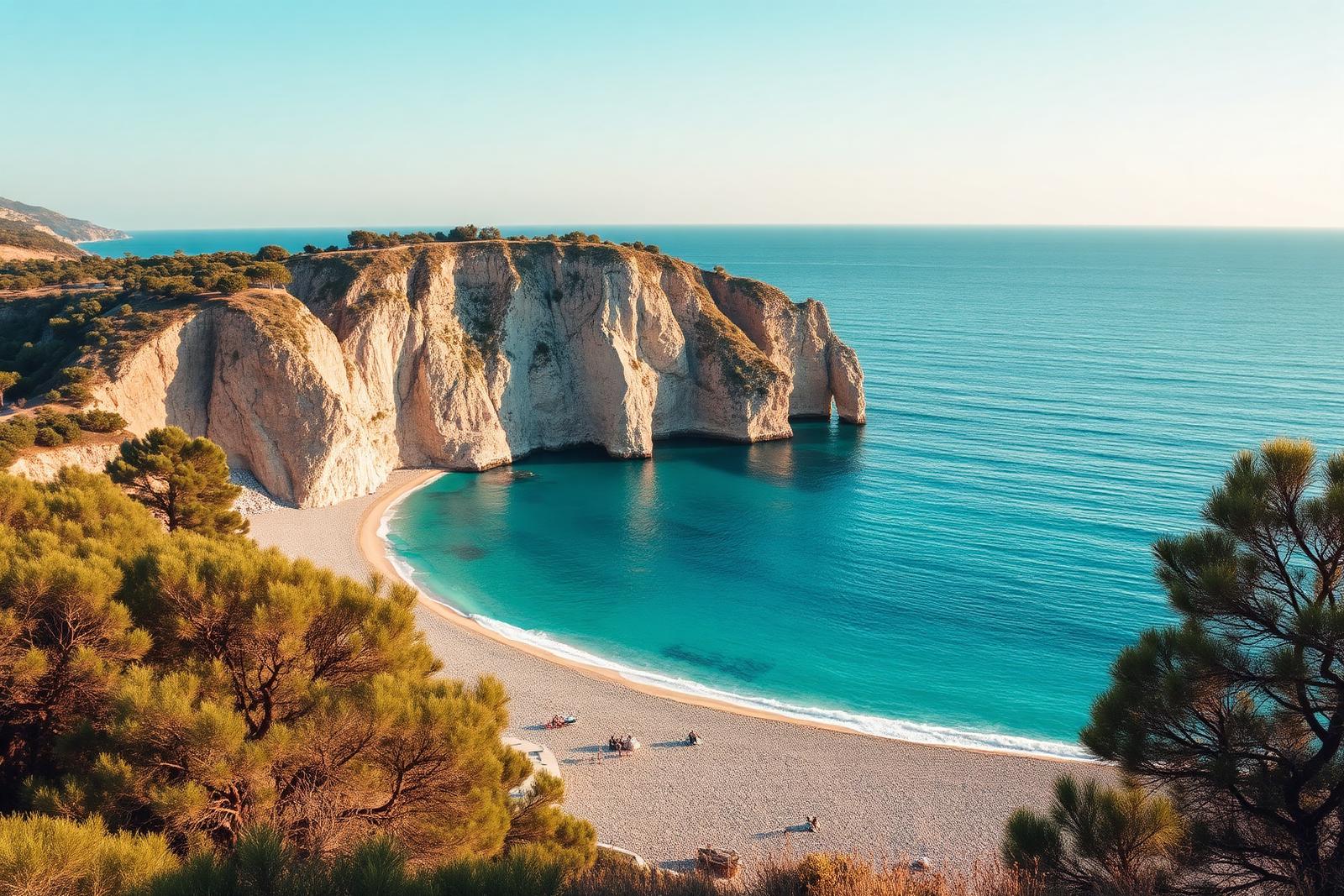
Albania is warm in a way that gets called 'old Mediterranean' in marketing copy and is actually just present. Food is excellent and cheap — Greek-influenced salads, grilled meats, fresh Adriatic seafood, surprisingly good wine from Berat and Korçë. The coastline genuinely competes with Greece visually, often without the price tag. The two trade-offs to know: infrastructure outside cities is still uneven (rent a car, expect surprises), and English fluency drops fast outside Tirana and the tourist coast. Italian is the second language on much of the coast. Most nomads find this a feature, not a bug.
Who should not move here
Albania is not the move if you need a polished Western European setting, an established English-speaking professional community on day one, or banking that integrates seamlessly with EU systems. For those, look at Greece, Portugal or Spain. Albania rewards nomads who are comfortable with rougher edges in exchange for radically lower costs and a coastline most of Europe hasn't priced in yet.
FAQ
Can I really stay in Albania for 365 days without a visa?+
Yes — US, UK, Canadian, Australian and most EU passports get 365 days visa-free on arrival, no application required. It is the most generous policy in Mediterranean Europe.
What's the cheapest base in Albania for nomads?+
Vlorë and off-season Sarandë at ~€1,000/month for a comfortable solo lifestyle. Tirana runs ~€1,050–€1,200.
Is the internet in Albania reliable enough for video calls?+
Yes in Tirana, Vlorë, Sarandë and Shkodër — fiber is standard at 100–300 Mbps. Outside cities and on the high Riviera roads, expect mobile-only and plan accordingly.
Albania or Montenegro — which is the better nomad base?+
Albania for raw cost, beach access, and 365-day visa-free freedom. Montenegro for EU-adjacent infrastructure, easier banking, and a more polished daily setting. Many serious nomads use both.