Montenegro for Digital Nomads
Compact Adriatic living with strong regional access
Overview
Montenegro combines a compact Adriatic coastline, mountain access and comparatively low editorial cost estimates. The Government publishes a long-stay D visa category for digital nomads; residence, work authorization and tax treatment remain separate questions that require current official confirmation.
Why Montenegro works for digital nomads
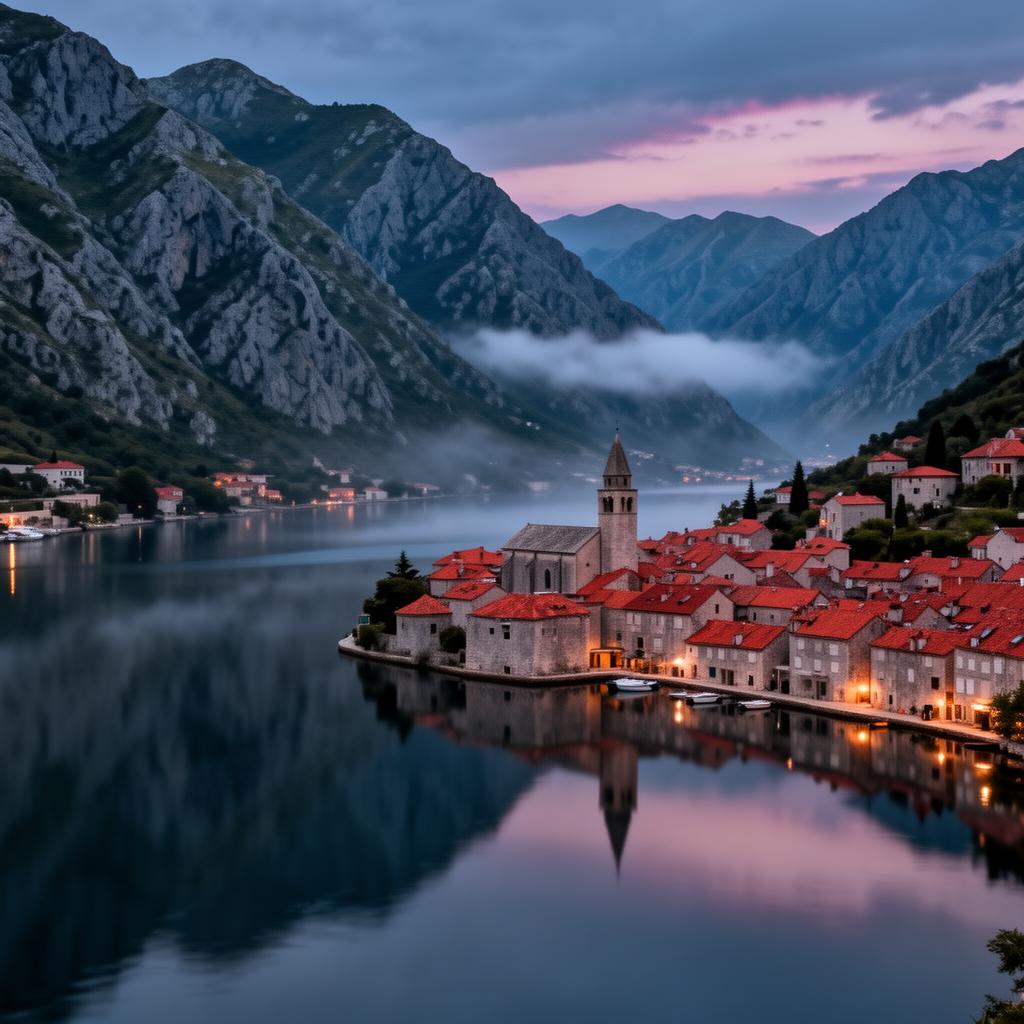
Montenegro is small enough to know in a month and deep enough to keep returning to for a decade. The country sits on the Adriatic between Croatia and Albania, packs UNESCO coastlines, alpine national parks, and a Mediterranean food culture into 14,000 square kilometres. The lifestyle is genuinely Mediterranean — long lunches, café culture, evening walks along the bay — at Balkan prices. The pace is slower than Spain or Portugal, the English level is good in the coastal cities, and the personal warmth of locals is the part nobody writes about until they have lived here.
Cost of living
Montenegro is the cheapest coastal Mediterranean country a remote worker can plausibly base in. Comfortable solo lifestyles run €1,100 (Podgorica) to €1,400 (Kotor) per month. Long-term apartments are €450–900 depending on city. Restaurants are excellent value (€15–25 for a full sit-down meal). The euro is in use despite Montenegro being non-EU. Couples save 20–25% on housing and roughly 15% on everyday costs.
Internet & remote work
Fiber is widespread and reliable in Kotor, Tivat, Budva, Podgorica, and most modern apartments in second-tier towns. Expect 100–300 Mbps as standard. Mobile data is fast, cheap, and covers the entire coast plus the main inland routes. Coworking infrastructure is concentrated in Tivat (Crowd Coworking) and Podgorica (Digitalna Fabrika, Impact Hub) — Kotor and Budva rely more on cafés and home offices.
Practical & residency notes
The Government of Montenegro currently lists digital nomads as an eligible purpose for a long-stay D visa and publishes the supporting-document categories on its official visa page. Short-stay entry rules still depend on nationality, and visa, residence, work authorization and tax treatment are separate questions. Confirm the current path with the competent Montenegrin authority or consulate before applying. For hyperlocal recommendations beyond what this platform covers, our sister sites GoMontenegroGuide and GoPodgorica go deep on neighborhood-level discovery.
Visa & residency
The Government of Montenegro lists digital nomads under the long-stay D visa and publishes supporting-document categories on its official visa page. Short-stay entry still depends on nationality; confirm the applicable route with the competent authority or consulate.
Digital infrastructure
Fiber and mobile coverage are generally available in the main urban and coastal areas, but building-level quality and seasonal congestion should be checked directly.
Best cities for nomads
Nomad Bases in Montenegro
Compare Montenegro
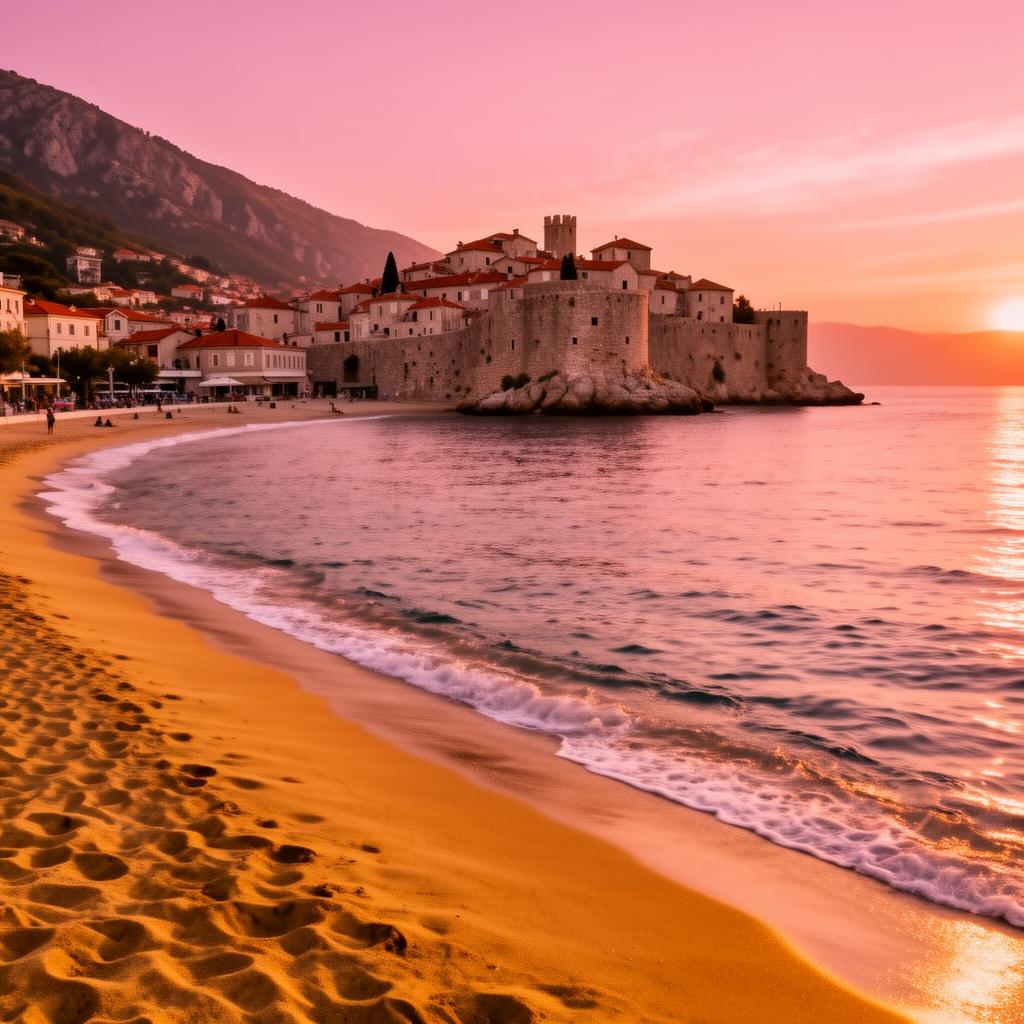
- Montenegro vs GreeceTwo Mediterranean options with different trade-offs. Greece publishes a Digital Nomad Visa route for eligible non-EU remote workers, while Montenegro publishes a long-stay D visa category that includes digital nomads. Compare editorial cost estimates, infrastructure, lifestyle and the current official immigration context side by side.
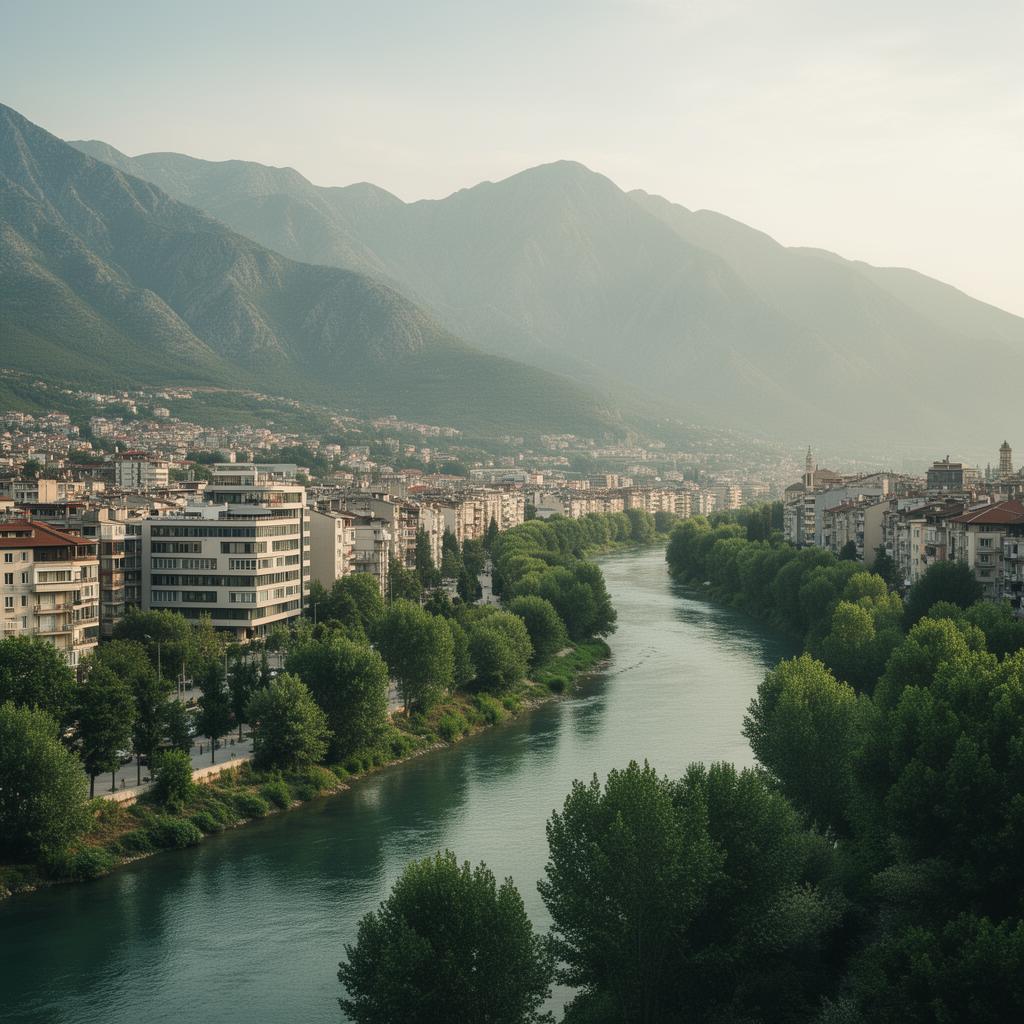
- Albania vs MontenegroTwo neighboring Adriatic and Ionian options with comparatively low editorial cost estimates. Albania publishes a unique-permit procedure for digital mobile workers, while Montenegro publishes a long-stay D visa category that includes digital nomads. Entry rules still depend on nationality.
Frequently asked questions
Do I need a visa to work remotely from Montenegro?+
Most passports get 90 days visa-free per 180 days, which covers most short stays. For longer stays, look at the Digital Nomad Permit (in active rollout), property-based residency, or a Montenegrin LLC.
Is Montenegro in the EU or the Eurozone?+
Not in the EU yet (it is an EU candidate country), but it uses the euro as its official currency.
Which Montenegrin city is best for digital nomads?+
Kotor for aesthetics and short stays, Budva for beach lifestyle, Podgorica for residency, banking and the lowest cost.
How fast is internet in Montenegro?+
Fiber covers Kotor, Tivat, Budva and Podgorica with 100–300 Mbps as standard in modern apartments. Mobile data is fast and cheap.
How does Montenegro tax remote workers?+
Personal income tax is flat 9–15%. Tax residency follows the 183-day rule. Always confirm with local counsel before relocating.