Scorecard
AI insight
Budva works best May–October. Combine with a Kotor day-trip culture diet — Budva for life, Kotor for camera roll.
The city
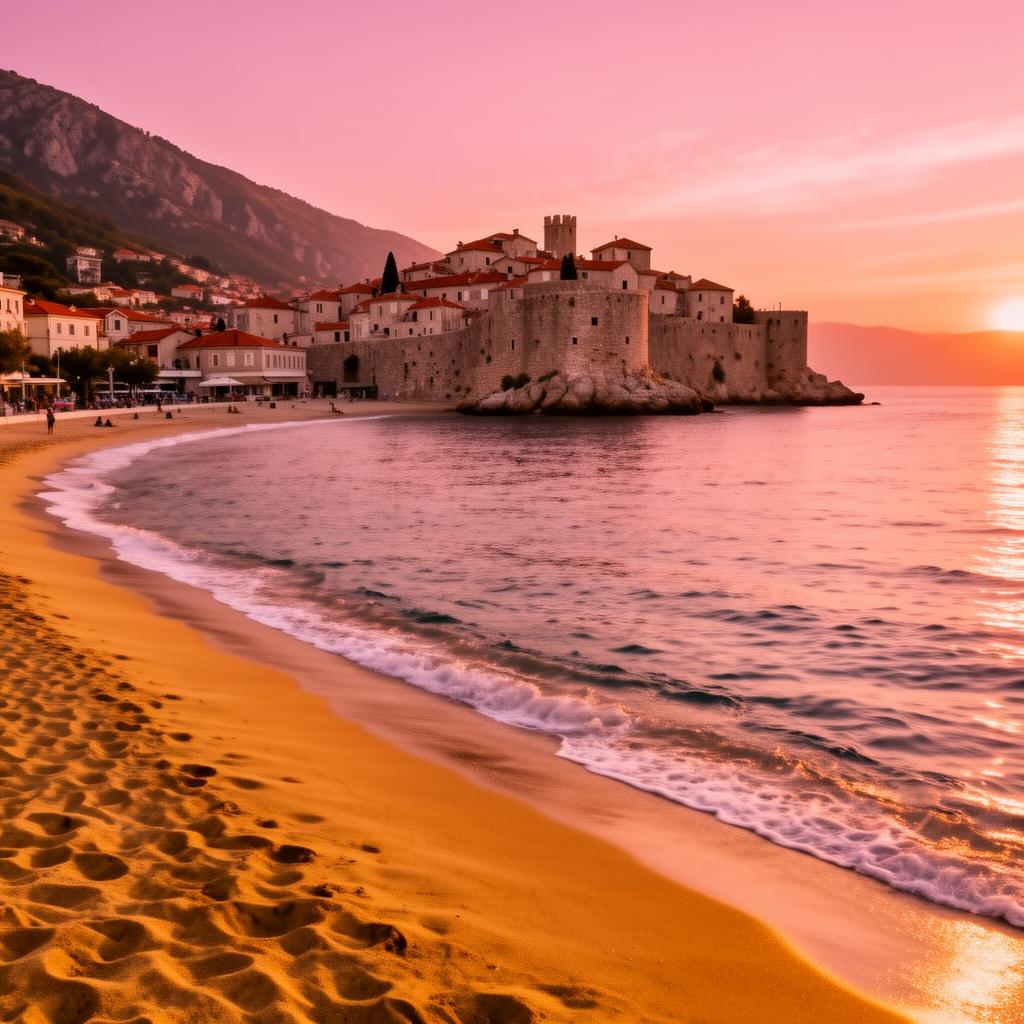
Budva is the lifestyle counterpoint to Kotor. Where Kotor is photogenic and intimate, Budva is open, sun-facing, and built around a long crescent of beaches that fills with life from May through October. For nomads who want a beach-town energy with serious internet, a deep apartment supply, and a faster social rhythm, Budva is the Montenegrin base that delivers.
Why it works for nomads
The math is simple — Budva gives you the Adriatic coast, modern apartments, fast fiber, and a budget close to €1,250 per month, with the same 90-day visa-free entry and 9–15% flat income tax that makes Montenegro a serious nomad destination. The town has more apartment supply than Kotor (most of it built in the last 15 years), more nightlife, and a longer beach season. The trade-off is summer crowds and a quieter winter.
Modern one-bedrooms in Budva or the nearby districts of Bečići and Rafailovići run €500–800 long-term. In-season (June–September) short-term prices double. Eating well costs €15–25 per meal. Solo nomad monthly budget: €1,200–1,400.
Fiber covers Budva, Bečići, and Rafailovići. Expect 100–200 Mbps in modern buildings. Mobile data is fast and cheap. The coworking infrastructure is thinner than in Tivat — most nomads use hotel lounges, cafés, and dedicated home offices.
Neighborhoods, in plain English
Old Town (Stari Grad) — walkable and atmospheric, limited supply. Bečići — long beach, newer apartments, the best long-stay value. Rafailovići — smaller, quieter, more local. Skip Petrovac unless you want full isolation.
The lifestyle
May–October is the golden window — beach mornings, café work, long sea-facing dinners, occasional day trips to Kotor or Sveti Stefan. July–August brings serious tourism (mostly Serbian, Russian-speaking, and Western European). November–April is genuinely quiet and dramatically cheaper, with the trade-off of fewer open restaurants and a slower scene.
Pros
- +Long beach season
- +Affordable apartments
- +Easy visa-free stays
- +Active summer scene
Cons
- −Very touristy July–August
- −Quieter in winter
- −Some construction noise
Best neighborhoods
- Stari Grad
- Bečići
- Rafailovići
Neighborhood-level guides are written into the editorial sections above — these are the areas most remote workers settle in around Budva.
Fiber covers Budva, Bečići, and Rafailovići. Expect 100–200 Mbps in modern buildings. Mobile data is fast and cheap. The coworking infrastructure is thinner than in Tivat — most nomads use hotel lounges, cafés, and dedicated home offices.
- ·WorkHub Budva
- ·Local hotel lounges
Practical tips
- 01Bečići offers the best long-stay value — modern stock at lower prices than the Old Town.
- 02Lock in a 12-month lease before May to escape summer price spikes.
- 03Avoid Slovenska Plaža in July–August — go to quieter Mogren or Jaz beaches.
- 04Combine with Kotor day trips for the cultural complement.
- 05Coworking is limited — set up a proper home office.
Where in the world
Ten quiet questions on your work, budget, and lifestyle — get a compatibility score, budget fit, and a clear next step.
Frequently asked questions
Is Budva good for remote work?+
Yes for May–October beach-and-work lifestyle. Modern apartment stock, fast fiber, and a longer beach season than Kotor.
What's the cost of living in Budva?+
Solo monthly budget: €1,200–€1,400. Modern one-bedroom in Budva or Bečići: €500–€800 long-term.
Best Budva neighborhood for nomads?+
Bečići for value, the Old Town for atmosphere, Rafailovići for quiet.
Is Budva busy year-round?+
No — November to April is dramatically quieter and cheaper, with the trade-off of fewer open restaurants.