
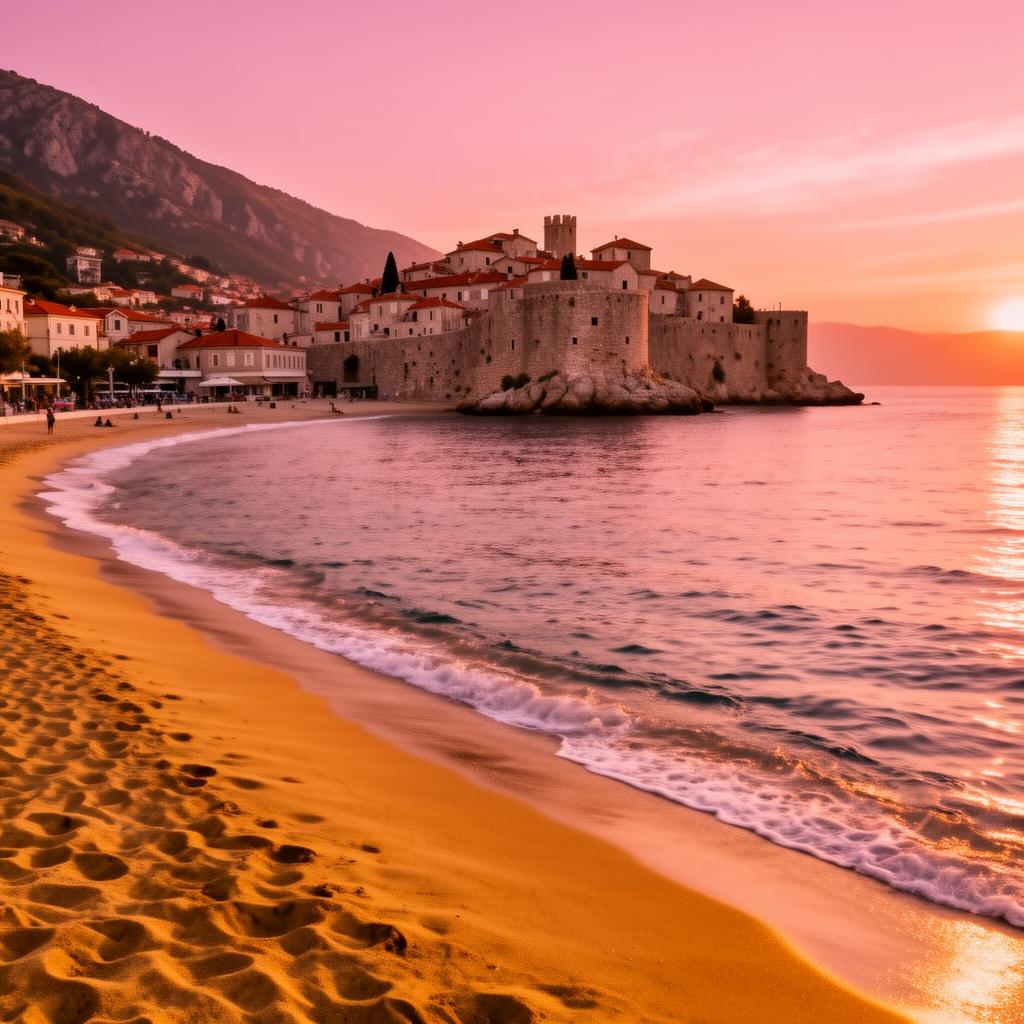
Kotor vs Budva: Which Is Better for Remote Work?
They're 30 kilometers apart. They feel like different countries. Here's the honest comparison.
The one-line summary
Kotor is the visual base — UNESCO Old Town, dramatic bay, walkable, photogenic, the most cinematic small city on the Adriatic. Budva is the lifestyle base — beach-town energy, more apartments, more nightlife, lower cost, longer summer feel. They are 30 kilometers apart by road, 45 minutes by bus, and feel like different countries. The right choice depends entirely on what kind of week you want.
Cost
Budva edges out Kotor on monthly cost — about €1,250 versus €1,300 for a comfortable solo lifestyle. Rentals in Budva have more supply because most of the building stock was built in the last 15 years, particularly in Bečići and Rafailovići. Kotor's Old Town apartments are limited (the UNESCO designation caps new construction) and consequently pricier on a per-square-meter basis. Long-term leases in Budva run €500 to €800 for a modern one-bedroom; Kotor is €600 to €900. In-season (July and August) short-term prices in both cities double or triple — the long-term lease is the only sustainable economic model for a nomad.
Internet and workspaces
Both cities have solid fiber — expect 100 to 200 Mbps in any modern apartment in either location. Mobile data is excellent across both. The coworking infrastructure is genuinely better in the Kotor-Tivat corridor: Crowd Coworking in Tivat (15 minutes from Kotor) is the regional anchor and the best workspace on the Montenegrin coast. Budva has hotel lounges, a few cafés with reliable WiFi, and a smaller dedicated coworking scene. If a daily coworking habit is non-negotiable for your work, Kotor (with Tivat day trips) wins. If you work from cafés and home, the gap closes.
Lifestyle
Kotor is intimate. The Old Town is small enough to walk in 10 minutes, evenings move slowly along the bay, dinners happen in stone courtyards lit by lanterns. The pace is meditative. Budva is louder — beach bars, longer summer season, more nightlife, more international crowds in July and August, more clubs than is reasonable for a town its size. The food culture in both is strong but different — Kotor leans toward refined seafood and old-school Adriatic cuisine; Budva absorbs more international influence (Italian, Greek, modern Mediterranean). For a creative or contemplative life, Kotor. For a social or active life, Budva.
The seasons
Kotor is best April through October. The Old Town is at its most beautiful in shoulder season (May, June, September, early October) when the cruise crowds are thinner and the light is softer. November through March is genuinely quiet — many restaurants close, the population thins, and the city becomes a meditative retreat that some love and others find isolating. Budva runs hotter and longer — the beach season effectively runs May through October, with summer (June through August) being intense in every direction. Off-season Budva is even quieter than off-season Kotor, with most beach-economy businesses closed.
Who picks what
Pick Kotor if you're a creator, writer, designer, or anyone whose work benefits from atmosphere and aesthetic — the city is its own creative input. Pick Budva if you want beach plus social life and don't mind summer crowds, particularly if you're traveling as a couple or with friends. Many nomads do both — Kotor for the photogenic month, Budva for the longer stretch. The 30-kilometer distance and the cheap, frequent bus service make this trivially feasible. The smartest move is to spend the first three weeks alternating between the two before committing to a long-term lease in either.
FAQ
Is Kotor or Budva safer?+
Both are genuinely safe — Montenegro overall scores high on safety. Normal city awareness applies in summer crowds.
Which has better restaurants?+
Kotor has the higher concentration of memorable dining; Budva has more variety and more international options.
Can I do both in one stay?+
Yes — they're 30 minutes apart by car. Many nomads split the month or do day trips.
Which has better off-season life?+
Kotor — its year-round local population is larger and the Old Town keeps more restaurants open through winter.