
Scorecard
AI insight
Dubai works best for remote workers who value global connectivity and high-service infrastructure; housing and daily costs are materially higher than most European bases.
The city
Dubai is a high-service remote-work base built around global flight connectivity, modern infrastructure and an international business environment. The UAE Government publishes a virtual-work residence route for people employed outside the country. Residence eligibility, company structure and tax treatment should be evaluated separately rather than treated as one package.
Why it works for nomads
Dubai's strongest case for remote workers is operational: high-quality connectivity, extensive international flights and a large ecosystem of services aimed at globally mobile professionals. The UAE Government's virtual-work residence page sets out the current eligibility and evidence requirements. Company formation, banking access and tax outcomes remain separate questions that depend on individual circumstances.
A modern one-bedroom in JLT or Dubai Marina runs €1,800–2,800 in our editorial estimate. Utilities, food, entertainment and transport can push a comfortable solo monthly budget toward €3,500–4,500. These are planning ranges, not guaranteed prices, and vary materially by neighborhood and lifestyle.
Among the best in the world. Gigabit fiber is standard, 5G is everywhere, and the digital government experience is excellent.
Neighborhoods, in plain English
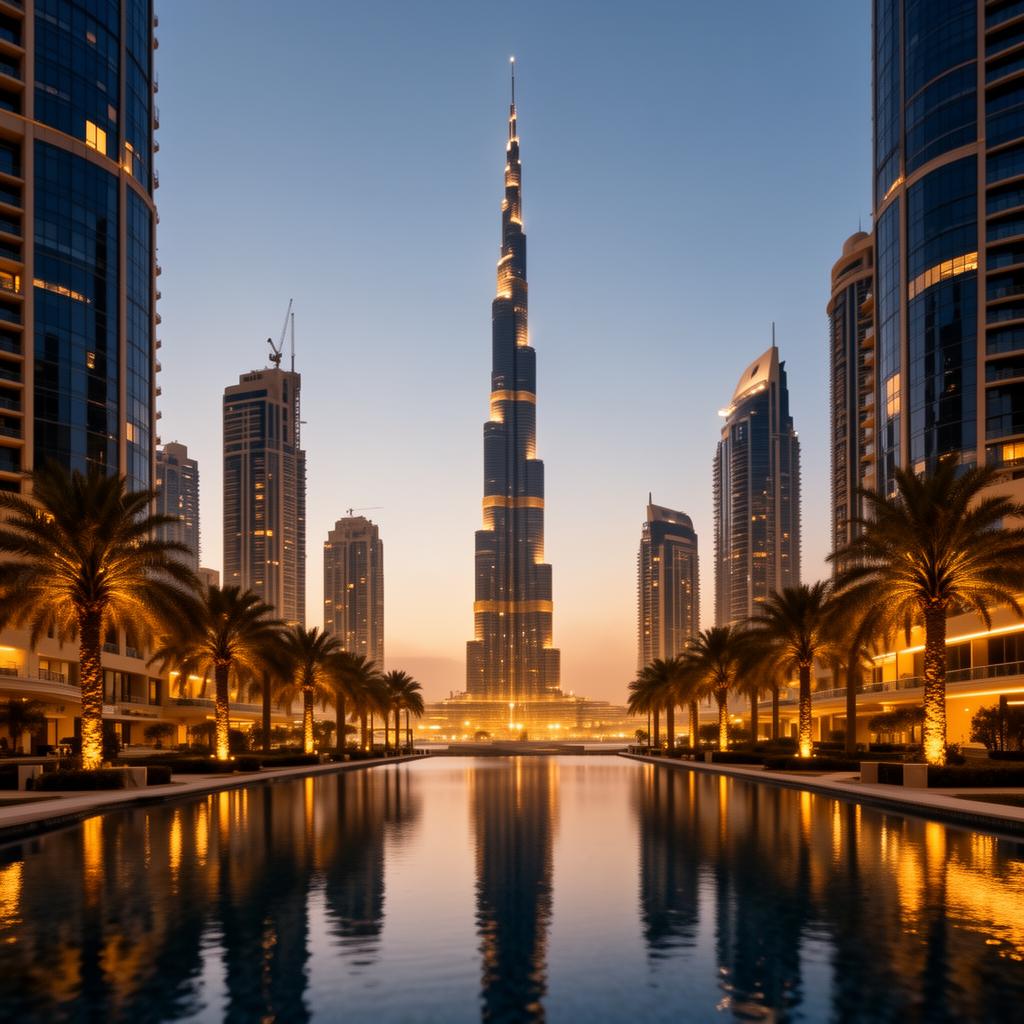
JLT — international and comparatively walkable, an accessible first base. Dubai Marina — busier and pricier, beach-adjacent. Downtown — iconic but more car-dependent and expensive. DIFC — the business district for finance and tech professionals. Bur Dubai and Deira can offer different price and transport trade-offs.
The lifestyle
Dubai runs at high speed. The work week is Monday–Friday now (it shifted from Sunday–Thursday in 2022). Brunch culture is intense. Summer (May–October) is brutal — 45°C with humidity — and most life moves indoors. Winter (November–March) is genuinely perfect: 25°C, sunny, the city is at its best. Plan for it.
Pros
- +Top-tier infrastructure
- +Direct flights everywhere
- +Official virtual-work residence route
- +International business ecosystem
Cons
- −Expensive
- −Brutal summer heat
- −Car-dependent
Best neighborhoods
- JLT
- Downtown
- Dubai Marina
- DIFC
Neighborhood-level guides are written into the editorial sections above — these are the areas most remote workers settle in around Dubai.
Among the best in the world. Gigabit fiber is standard, 5G is everywhere, and the digital government experience is excellent.
- ·Astrolabs
- ·Letswork
- ·Nook
Practical tips
- 01Model your housing and transport costs before committing to a long stay; Dubai is materially more expensive than most bases in this index.
- 02Do not assume a residence route determines the best company structure or tax outcome; verify those separately.
- 03Compare metro-accessible neighborhoods with the cost of daily ride-hailing before choosing accommodation.
- 04Use the UAE Government virtual-work residence page for the current application channel and document list.
- 05Plan to leave June–September if you can; the heat is genuinely punishing.
Where in the world
Ten quiet questions on your work, budget, and lifestyle — get a compatibility score, budget fit, and a clear next step.
Frequently asked questions
Is Dubai worth it for digital nomads?+
Above ~€6,000/month income, yes — the 0% personal income tax plus infrastructure outweighs the high cost. Below that, Europe wins.
What is the Virtual Working Programme?+
A one-year UAE residence visa for remote workers, with Emirates ID and access to local banking.
Best Dubai neighborhood for nomads?+
JLT for walkability and value, Dubai Marina for beach access, DIFC for finance/tech.
How brutal is Dubai summer?+
45°C with humidity from May–October. Most life is indoors. Plan to leave if you can.