Scorecard
AI insight
Tallinn is especially strong for founders who value digital public services and an established startup ecosystem. E-Residency remains separate from immigration status.
The city
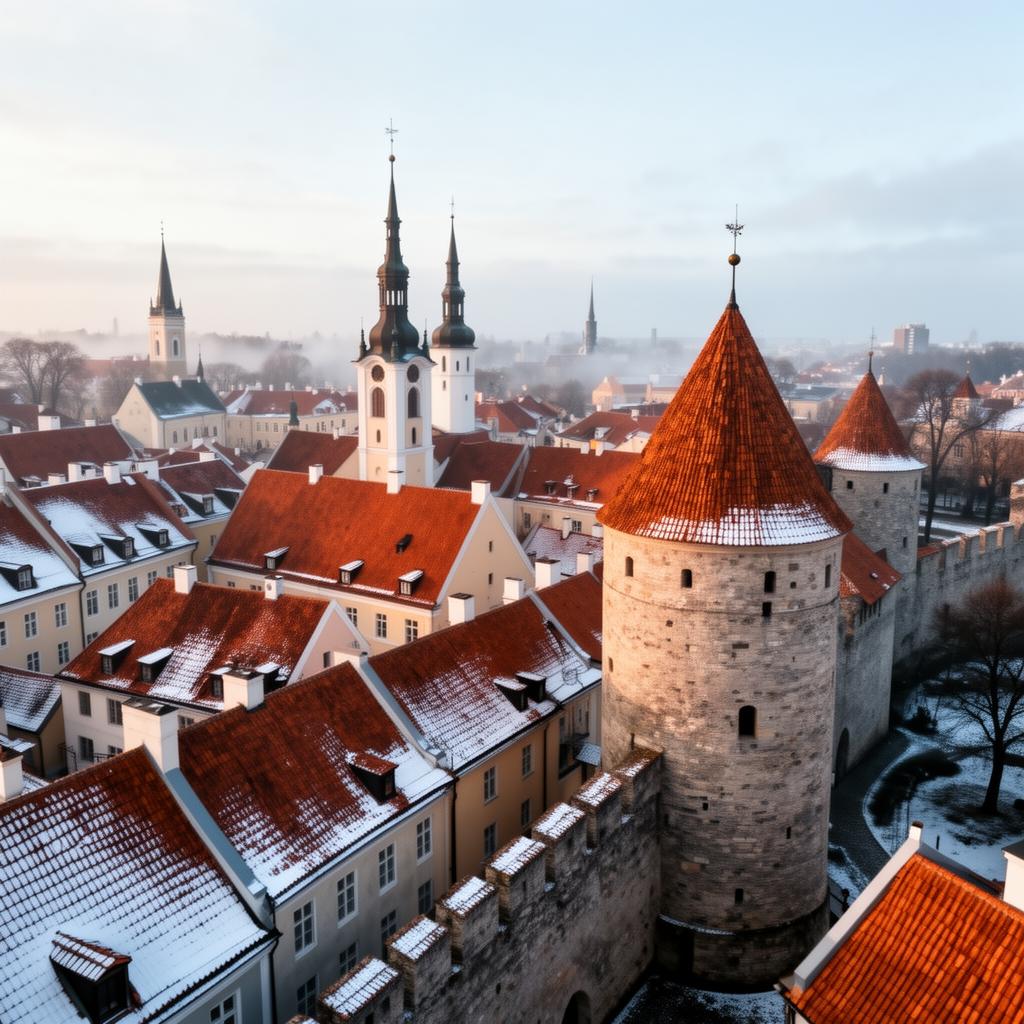
Tallinn is a strong operational base for founders and freelancers who value digital public services, a mature startup ecosystem and straightforward online administration. Estonia's e-Residency programme and its teleworking long-stay visa are separate systems: one supports digital identity and company administration, while the other concerns immigration permission.
Why it works for nomads
Tallinn combines advanced digital public services, strong connectivity and an established startup ecosystem. Estonia's Ministry of Foreign Affairs includes teleworking within its long-stay D visa guidance; current eligibility, financial means and application requirements should be checked there. E-Residency does not itself create a right to enter or reside in Estonia.
A modern one-bedroom in Kalamaja or Telliskivi runs €700–950 long-term. Utilities are higher in winter (€120–180 with heating). Coworking €180–250. Food and transport €600–800. Solo monthly budget: €1,650–1,800.
Among the best in Europe — gigabit fiber is the norm, 5G is everywhere, and the public sector digital experience is on a level no other country touches. ID cards, taxes, banking, healthcare are all online and frictionless once you have a digital identity.
Neighborhoods, in plain English
Telliskivi — the creative-tech district, coworking-dense, the natural nomad base. Kalamaja — wooden houses, café culture, walkable to Telliskivi and the Old Town. Old Town — atmospheric but pricey and touristy. Kadriorg — leafy, parkside, slower-paced.
The lifestyle
Summers (June–August) are extraordinary — long bright evenings, lakes, islands, sauna culture. Winters (November–February) are dark and require commitment to indoor structure. Many nomads pair Tallinn for summer with a Mediterranean base for winter — the natural Estonia-plus-Mediterranean loop is the strongest 12-month setup in Europe.
Pros
- +World-class digital infrastructure
- +e-Residency for company setup
- +Very safe
- +Strong startup community
Cons
- −Dark winters
- −Pricier than the Balkans
- −Cold half the year
Best neighborhoods
- Telliskivi
- Kalamaja
- Old Town
- Kadriorg
Neighborhood-level guides are written into the editorial sections above — these are the areas most remote workers settle in around Tallinn.
Among the best in Europe — gigabit fiber is the norm, 5G is everywhere, and the public sector digital experience is on a level no other country touches. ID cards, taxes, banking, healthcare are all online and frictionless once you have a digital identity.
- ·Lift99
- ·Workland
- ·Spring Hub
Practical tips
- 01Treat e-Residency and immigration as separate choices; neither is a prerequisite for the other.
- 02If company administration matters to you, review the official e-Residency and business guidance before choosing a structure.
- 03Plan to leave November–February unless you genuinely thrive in the dark.
- 04Sauna culture is real — try one local sauna per week.
- 05Direct flights to most European capitals are cheap from TLL.
Where in the world
Ten quiet questions on your work, budget, and lifestyle — get a compatibility score, budget fit, and a clear next step.
Frequently asked questions
Why base in Tallinn as a nomad?+
Best digital government on earth, e-Residency for EU company formation, the Digital Nomad Visa, and a real startup ecosystem.
Is Tallinn expensive?+
Higher than the Balkans but below Scandinavia. Solo budget: €1,650–€1,800/month.
How dark is Tallinn winter?+
Genuinely dark — daylight hours drop to 6 hours in December. Most nomads pair with a Mediterranean winter.
Best Tallinn neighborhood for nomads?+
Telliskivi for the creative-tech core, Kalamaja for the café-dense daily life.