Digital Nomad Lifestyle in Greece
Greece has more depth than the island postcards suggest. Here's the nomad version.
Two Greeces
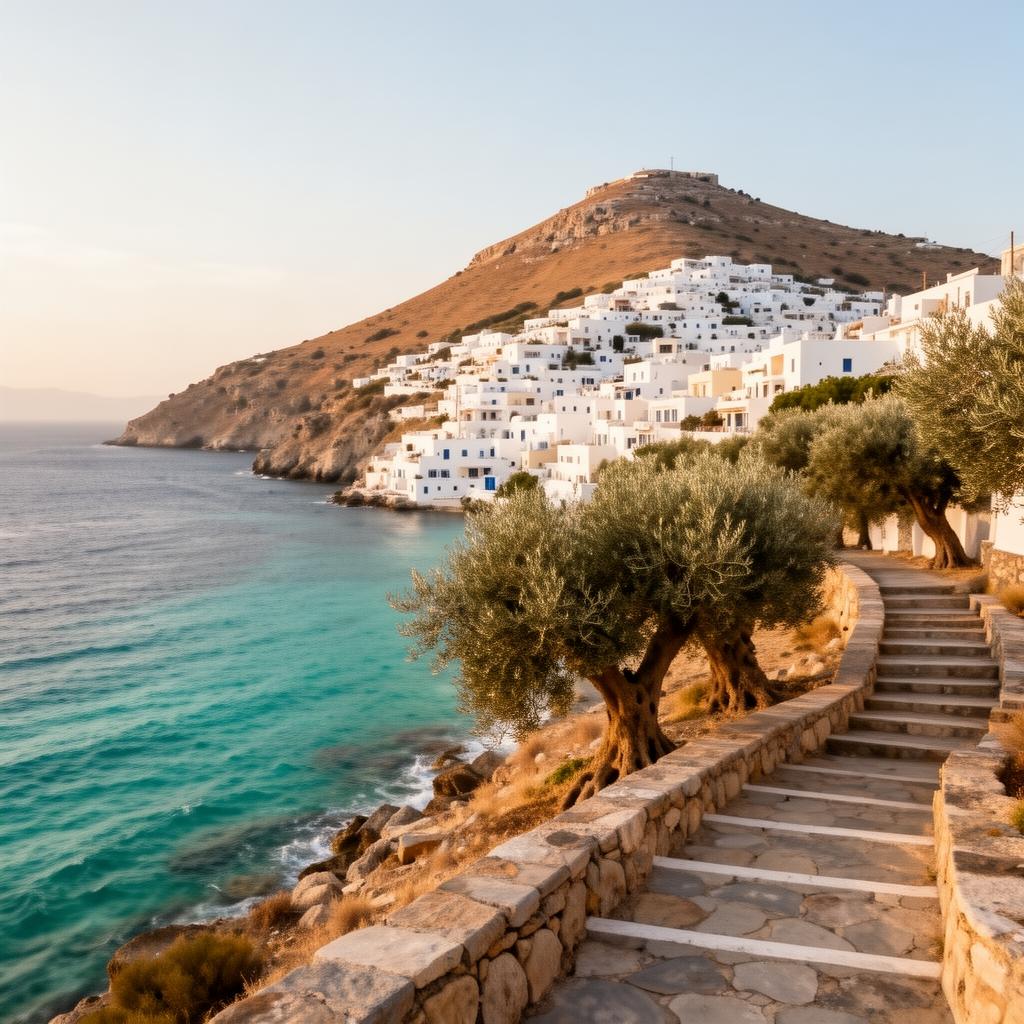
There's the postcard Greece — Santorini, Mykonos, Instagram feeds of whitewashed walls and infinity pools. And there's working Greece — Athens, Thessaloniki, Heraklion, Chania — where the cafés are full of laptops, the cost of living is reasonable, and the lifestyle is genuinely sustainable for a year-round nomad. Most travel writing covers the first Greece. Most people who actually live here as remote workers exist in the second. The gap between the two is the country's biggest under-the-radar story for the nomad demographic. The postcard islands are designed for two-week visitors who pay summer prices. The working cities are designed for people who buy bread on Tuesday morning.
The café culture is the workspace
In Greek cities, the café is a public office. You buy a €3 freddo espresso at 10am and stay until lunch. Nobody rushes you, nobody offers a check until you ask, the WiFi works, and the cultural assumption is that a café exists for sitting in. This is the most natural deep-work environment in Europe, and it's everywhere — Athens has thousands, Thessaloniki has hundreds, and every island town has its handful. The economics are genuinely friendly: €5 to €10 per day of café spend buys you a workday more pleasant than most coworking offices. Pair with a home office for video calls and a coworking day per week for community, and the structure works for almost any creative or knowledge-work job.
The food matters more than you think
Greek food is fresh, simple, and absurdly affordable in any city outside the tourist circuit. €15 buys you a full tavern meal — protein, salad, bread, wine — in any neighborhood spot in Athens, Heraklion, or Thessaloniki. The vegetable quality alone changes how you feel in a month: tomatoes that taste like tomatoes, olive oil at price points that would buy water in Northern Europe, fish caught the same morning, herbs you can smell across the table. For nomads who care about how their body feels after six months in a place, Greece is one of the strongest bases in Europe. The Cretan diet specifically is on the UNESCO intangible heritage list and is the foundation of much of what 'Mediterranean diet' actually means.
The seasonal rhythm
Most year-round nomads build a rhythm: mainland (Athens, Thessaloniki) October through May, islands (Crete, Naxos, Syros) June through September. The mainland gives infrastructure and city energy through the cooler months; the islands give summer depth, swimming, and the slower social pace. The pattern works because Greek internal flights are cheap (€40 to €80 between Athens and most major islands) and ferries are extensive, frequent, and reasonable. A second pattern is to base permanently on a larger island with real city infrastructure — Crete is the obvious pick — and travel to the mainland for monthly admin and culture. Both patterns are sustainable for years.
The community question
Greece has a smaller English-speaking nomad community than Portugal or Spain, but it is growing fast. Athens has weekly remote-work meetups in Pangrati and Koukaki, monthly events at Stone Soup and Impact Hub, and a small but real Substack-and-Slack scene of writers and founders who actually live there. Crete has tighter communities centered on Chania and Heraklion. Thessaloniki is the under-the-radar pick with a young, design-forward scene. If you need a 500-person Slack group on day one, Lisbon and Valencia are still ahead. If you want a real community that builds over months, Greece compounds beautifully.
The legal layer
Greece's Digital Nomad Visa launched in 2021 and is now mature. Non-EU citizens earning approximately €3,500 per month can apply for a one-year residence permit, renewable. Pair with the 50 percent income tax reduction for new tax residents (available for up to seven years) for the strongest legal setup in the country. EU citizens have free movement and do not need any of this. The application is handled through Greek consulates in your home country and takes 1 to 3 months depending on the consulate. Local legal counsel is worth the €500 to €1,000 it costs and prevents the most common application errors.
FAQ
Can I live in Greece year-round as a non-EU nomad?+
Yes via the Digital Nomad Visa (1 year, renewable). EU citizens have free movement.
Are Greek islands viable for full-time work?+
Yes if you pick the right ones — Crete, Naxos, Syros, and Tinos all have fiber and basic coworking.
Is Greece expensive?+
Less than people assume — outside Mykonos and Santorini, Greece is one of the cheaper EU countries to live well in.
Best city to start a nomad life in Greece?+
Athens — the deepest infrastructure, the largest English-speaking community, and the best flight connections in the country.