Living in Athens as a Remote Worker
Athens is the most underrated capital in Europe for remote workers. After six months living there, here's the honest take.
The Athens nobody talks about
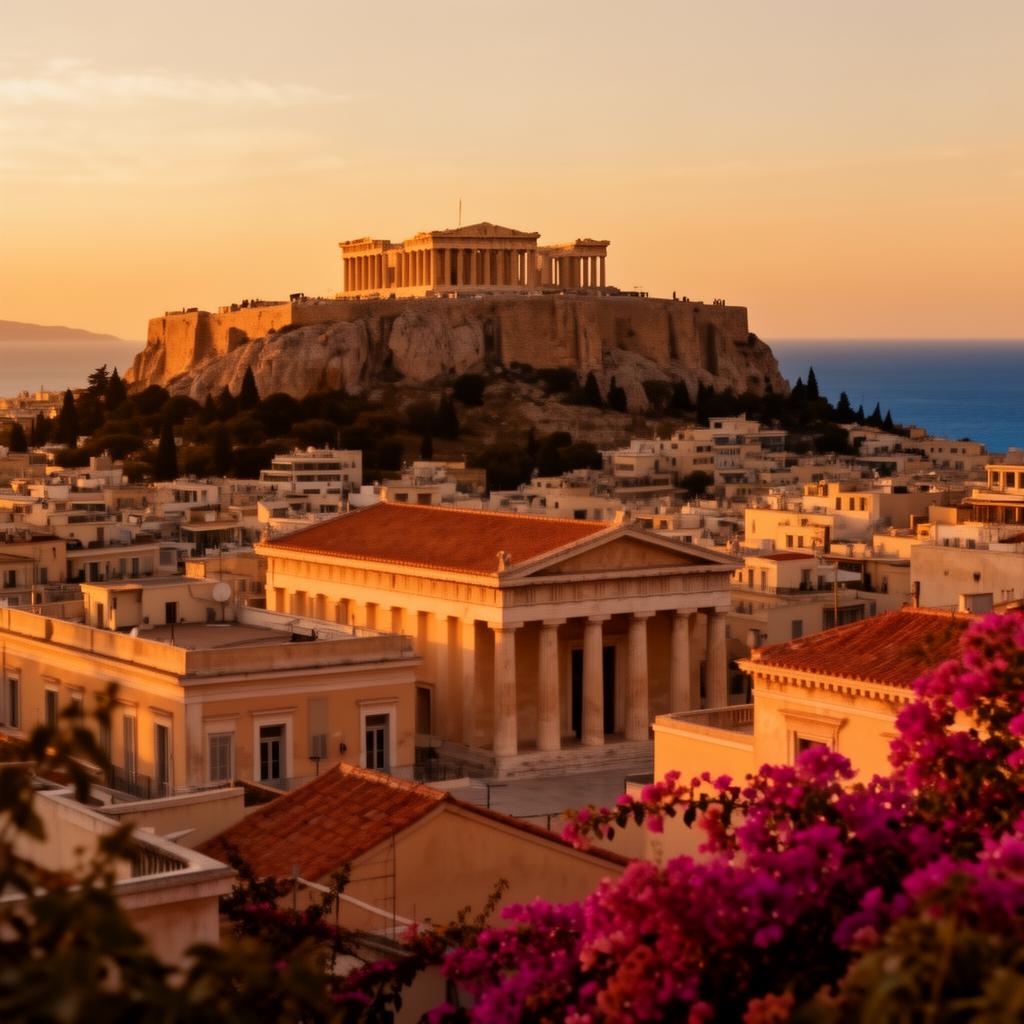
Most travel writing about Athens stops at the Acropolis. Living there is a different story. The city is layered, intellectual, sunlit, and absurdly affordable for a European capital. The food is some of the best in the Mediterranean, the cafés are full of laptops at 11am, and the airport puts the entire Mediterranean within a 90-minute flight. After six months of full-time life in Pangrati, the Athens that emerges is not the postcard city — it is a working European capital with the cost structure of a second-tier Balkan city and the cultural depth of London. That mismatch is the entire reason to be here.
Where to live
Koukaki is quiet, walkable, with a view of the Acropolis and an increasingly nomad-aware feel. It is the easiest first-month neighborhood — small enough to learn in a week, close enough to everything. Pangrati is the local favorite, leafy, café-dense, less touristy, with the best food density in the city. Exarchia is radical, alive, full of bookshops and street art, and not for everyone — go for the cultural depth, not for quiet. Kolonaki is upmarket, polished, the most expensive, and the natural pick for professionals who want a polished daily setting. For a first stay, Koukaki or Pangrati. For a second year, the choice becomes personal.
Internet and workspaces
Fiber is excellent and standard. Expect 200 to 500 Mbps in any modern building, with gigabit in newer apartments. The café culture is the secret weapon — Athenian cafés genuinely function as public offices. You buy a €3 freddo espresso at 10am and stay until lunch, no one rushes you, the WiFi works. The coworking scene is real but smaller than Lisbon's: Stone Soup in Psyrri, Impact Hub Athens, and Selina Theatrou are the three serious operators. Most nomads combine one anchor coworking day per week with three café days and one home day. Mobile data is fast (Cosmote 5G) and cheap (€15 for 100GB).
The cost truth
A central one-bedroom in Koukaki or Pangrati on a yearly lease runs €900 to €1,200. Add €120 to €200 for utilities and fast fiber, €150 to €200 for coworking if you want it, and roughly €600 to €800 for food, transport, gym, and a normal social life. A realistic monthly budget for a solo nomad living well: €1,650 to €1,800. Couples save roughly 25 percent. Eating out is the great cost equalizer — a full sit-down dinner with wine is €18 to €25 in any non-touristy neighborhood. The Athens cost structure is closer to Belgrade than to Madrid; it has not yet caught up to Lisbon and may not, given the larger housing supply.
The lifestyle rhythm
The week has texture. Mornings are slow, work happens between 10am and 5pm in cafés or at home, the late afternoon empties into errands or a workout, and the evening starts at 8pm with a walk, a drink, and a long dinner. The food scene is genuinely world-class — tavernas, modern Greek bistros, natural wine bars, third-wave coffee — at prices that feel like a structural error. Summers (July and August) are hot and best escaped to an island; April through June and September through November are the city's golden windows. Winter is mild but grey, with occasional cold snaps. The Aegean is 45 minutes away by tram (Vouliagmeni, Glyfada) and genuinely usable May through October.
The downsides
Summer heat is real — July and August are punishing, frequently 38 to 40°C, and most locals leave. Bureaucracy for long stays is slow, in Greek, and rewards patience plus a local lawyer. Air quality dips in winter when households burn wood for heating, particularly in valleys. The metro is great but the bus system is patchy and timetables are aspirational. Sidewalks are uneven in older neighborhoods. None of these are deal-breakers, but they are the texture of life that the postcards never mention.
Who Athens is for
Athens rewards nomads who want urban density without paying London prices, who care about food and walkability, who want a real city with deep cultural infrastructure (museums, theaters, music, bookshops in Greek and English), and who don't need a large pre-existing English-speaking nomad community. It is also the strongest base in Europe for anyone whose travel pattern includes the Middle East, the Eastern Mediterranean, or the Balkans — the Athens airport puts those regions within ninety minutes. For founders, writers, designers, and anyone whose work benefits from cultural depth, Athens is the most undervalued bet in Europe right now.
FAQ
Is Athens safe for digital nomads?+
Yes — the city is generally safe. Use normal big-city awareness in Omonia and parts of Exarchia at night.
What's the best time of year to live in Athens?+
April–June and September–November. Skip August if you can.
Can I get the Greek Digital Nomad Visa?+
Yes if you're non-EU and earn €3.5k+/month. Application is via a Greek consulate in your home country.
How long does it take to find a long-term apartment?+
Two to four weeks if you're in the city and looking seriously; longer if you only use online portals. Going in person and signing a yearly lease saves 30-40% over short-term rates.